
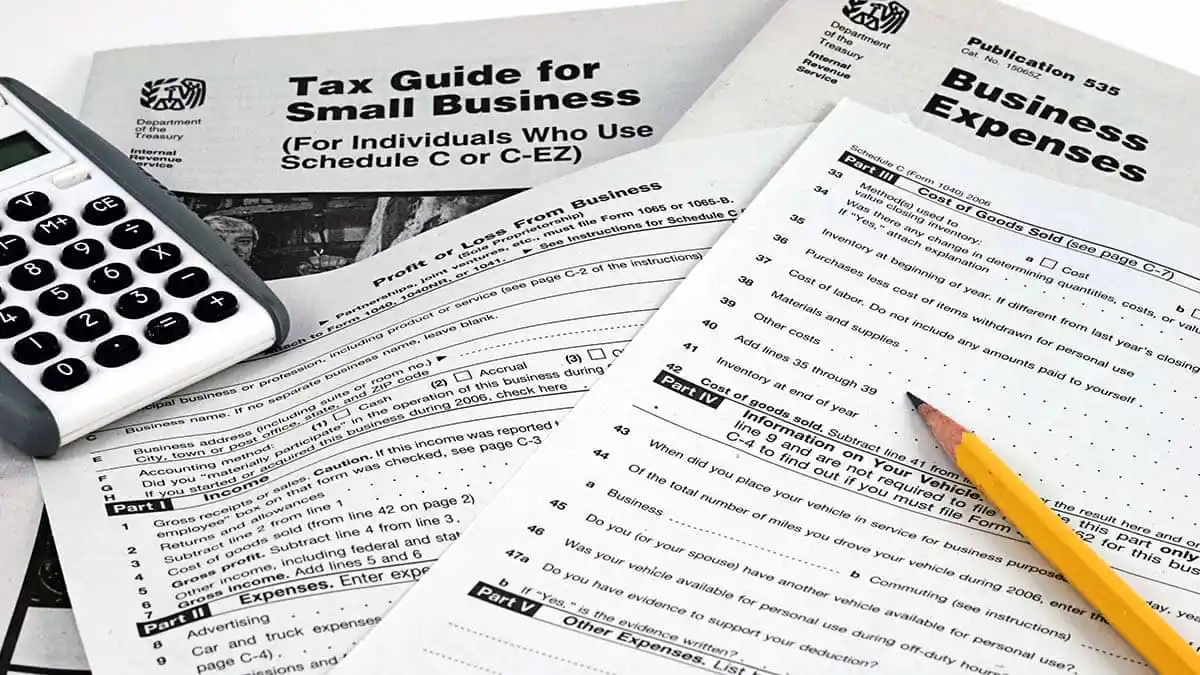
Running a business does not simply mean making profits, but it entails meeting the legal tax requirements. Proper and correct tax filing in the business is necessary to stay on the right track, evade taxes and deductions. The knowledge of the process means financial transparency and improved cash flow. This guide provides the significant steps that every business owner should be aware of about business tax return. This guide will help the beginner to make maximum savings that are still legal with the stipulations of the HMRC or other relevant authorities.
Understanding Business Tax Return
A business tax return is a legal filing of income, expenditure and profits of a business which you submit to taxing authorities once a year. It can also decide the amount of tax that the business pays or whether the business is eligible for refunds. The filing requirements depend on your structure, which is a sole trader, a partnership, a company or a corporation. Hiring expert services of accountants for small business can equally help you better understand this whole cycle.
It is essential to maintain record books, receipts, and statements of finances during the year. Businesses should also find out the proper forms, including CT600 when dealing with companies or SA100 when working with sole traders. The submission of returns on time will avoid fines and will enhance the level of credibility in front of financial institutions and investors.
Key Steps Involved in Business Tax Returns
Step 1: Collect All Financial Records
Gather all the financial papers- income statements, expense records, bank statements, and receipts. Have accounts reconciled by software or by accountants to make sure that it is accurate. Keep all the stuff in the computer so that it is easily accessible in case of an audit. Maintaining proper record-keeping makes the filing process easier. This also ensures compliance, reducing errors during reporting, and giving one a clear view of the business performance.
Step 2: Know Tax Deduction and Credits
Examine allowable deductions such as rent, utility, insurance and marketing to reduce taxable income. Available credits are part of the research including R&D or energy-saving. Keep records of all claims and do not overstate. By engaging the services of tax professionals, you can take advantage of the benefits as much as possible.
Step 3: Select the Best Mode of Filing
Choose to file through tax return services by online or manually. Complex businesses should find assistance to avoid failures. The appropriate approach is the one that saves time and avoids mistakes. It also ensures that you submit the tax return on time and under the regulations.
Step 4: Before Submission Review
Savings on all financial information, identifiers and deductions before filing. Make sure that figures are also similar in statements and you report all incomes. Getting an accountant to go through your draft is an added protection against the expensive errors. Close inspection will now save you a fine and save your financial reputation in future.
Step 5: Submit and Keep Records
Make sure you file your return before the due date. Retain copies of all tax forms, receipts, and confirmation documents for a minimum of six years. Protect the audit by maintaining a digital and physical backup. Structured documentation storage facilitates further submissions and grants, as well as practice.
Step 6: Plan for Next Year
Follow-ups are made after filing to make improvements. Quarterly tax reviews, automate payroll and expenses and keep up with changing tax legislation. Be proactive, working with accountants on a year-round basis. Planning creates uniform compliance, smarter deductions and easy tax seasons for long-term financial stability.
Common Mistakes to Avoid as a Beginner
Late filing, failure to file corporation tax or making false deductions are some of the problems most businesses encounter. Personal and business should not be mixed because this can confuse in case of an audit. There should be no disregard for minor deductions because they might be minor, but in the long run, they might count. Check your tax codes and tax filing dates twice to remain in the straight and narrow.
The second error is the reluctance to use professional assistance with complicated tax issues. Professional advice can help avoid the mistakes that cost money and the opportunity to save it. Premeditation and consulting early are also better ways to stay within the law, keep your business in order and be prepared to meet all the business financial liabilities.
FAQs: Common Questions People Often Ask
1. After how long a time should you submit documents?
Typically, 12 months after your accounting period. Deadlines of your local tax service.
2. What will happen if I fail to meet the deadline?
Depending on the time you submit your submission, you can pay penalties, fines and interest.
3. Can I make my business tax return online?
Admittedly, online filing is the most effective and safe method of submission via both HMRC and certified accounting software.
4. What costs may I write off to my business income?
You are allowed to claim rent, salaries, utilities, insurance, marketing, travel, and professional fees directly associated with your business.
Maximize Your Tax Efficiency with OneTeam Accountants!
Are you willing to ease your business tax filing and increase financial savings? At OneTeam Accountants, our specialists make sure that there is accuracy, compliance, and as many deductions as possible depending on your business structure. We do it all, from bookkeeping to complete tax preparation. Never take a chance on expensive errors or an opportunity lost; collaborate with people who are interested in your success. Book your consultation today and have a stress-free tax filing with quantifiable outcomes!